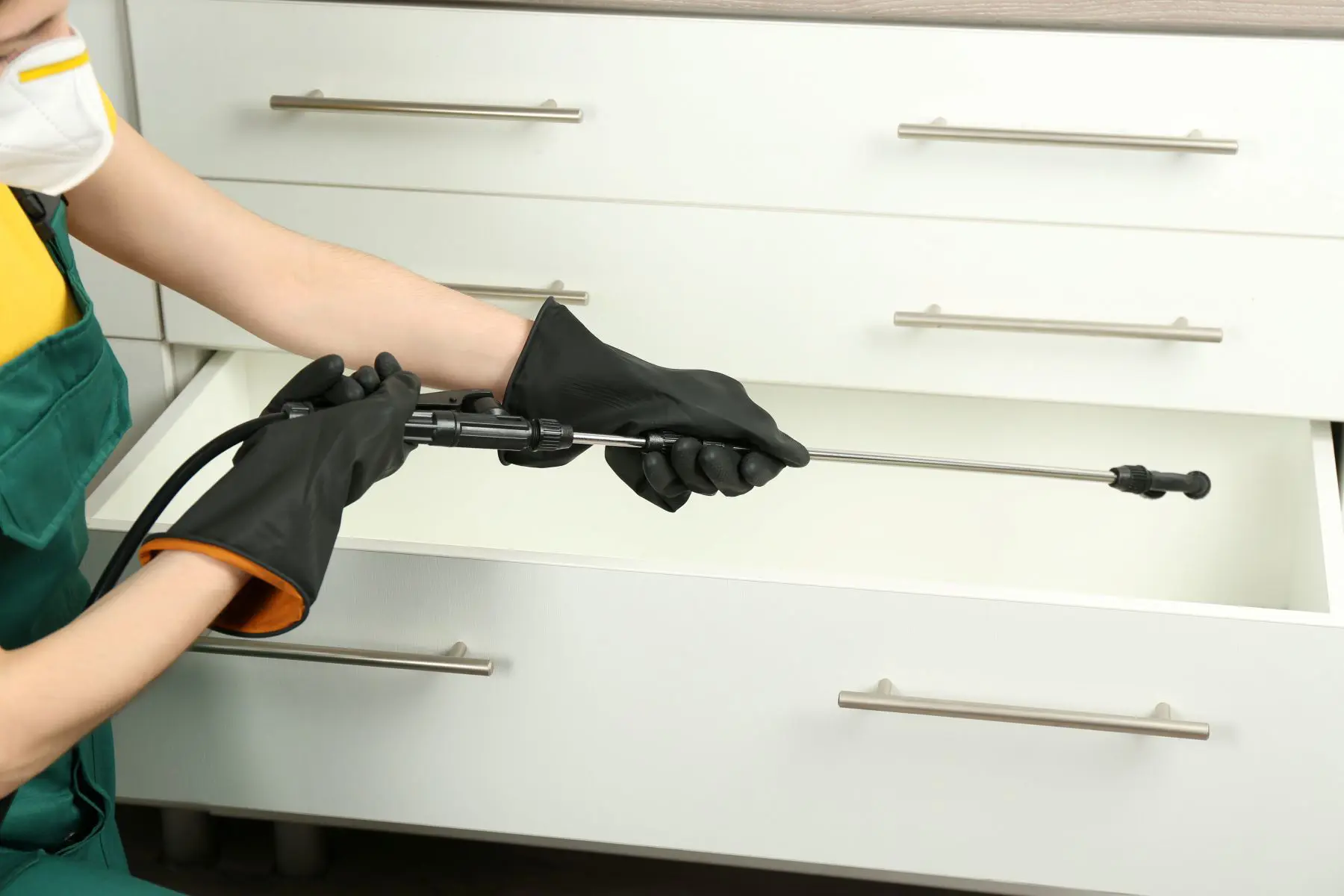
In hillside properties across Malibu, Calabasas, and Agoura Hills, rodent pressure is not occasional — it is ongoing and environmental. Surrounding open space, vegetation, and structural vulnerabilities create conditions where activity can return if not properly managed.
Effective rodent control is not based on a single treatment. It requires a clear understanding of where rodents are entering, how they are moving, and what conditions are allowing them to persist.
Our approach is structured into four stages:
For clients seeking a more environmentally conscious solution, we offer eco-friendly rodent management options that avoid traditional poisons while still addressing long-term activity.
What is eco-friendly rodent control?
A method of managing rodent activity without traditional poisons, using exclusion, trapping, and long-term population control strategies.
Is it effective in hillside properties?
Yes. When combined with proper exclusion and monitoring, it is effective for reducing and stabilizing ongoing rodent pressure.
Do you use poison?
We offer non-toxic options and can structure programs based on client preference and property conditions.
Rodent activity is rarely tied to a single cause. It is typically the result of multiple conditions working together—movement pathways, access points, and environmental support.
Rats follow consistent travel routes along:
These pathways allow activity to shift and reappear, even when it seems temporarily reduced.
Rodents require very little space to enter a structure. Common access areas include:
These openings are often small and not immediately visible, but once established, they allow repeated entry.
Even after activity is addressed, the conditions that support it may still exist:
As long as these factors remain, new rodents can move into the same pathways.
Reducing visible activity is only one part of the process. Long-term stability depends on:
Without these steps, activity can return under the same conditions.
Rodent control becomes a process of reducing opportunity and pressure over time.
Each adjustment contributes to stabilizing the structure.
Rodent control can be structured without relying on traditional poisons. Rather than reacting to visible activity alone, the process follows a defined four-stage approach designed to measure, reduce, and stabilize activity over time.
The first step is to understand where activity is occurring and how much pressure is present.
We use secured exterior monitoring devices placed along:
These devices do more than indicate presence. They allow us to:
This creates a clear picture of pressure and behavior, allowing control methods to be placed with precision rather than assumption.
This allows us to see not just if rodents are present, but how they are using the property.
Once activity patterns are established, active populations are reduced using contained trapping methods placed in confirmed locations.
This allows for:
Trap placement and density are adjusted based on observed pressure.
At the same time, attention is given to how rodents are entering the structure.
This includes:
Without this step, activity can continue regardless of other control methods.
After activity is reduced, the focus shifts to preventing recurrence and stabilizing the property.
Exterior stations are maintained in key locations to continue monitoring activity and controlling pressure. In these stations, we implement non-lethal population control methods designed to reduce reproduction over time rather than rely on repeated elimination.
This stage is structured to:
Monitoring continues, and adjustments are made as activity changes to ensure control remains effective.
This stage is what prevents the cycle from starting over.
This four-stage approach allows the property to move from:
What to Expect
This process is not based on a single visit. It is designed to stabilize the property over time through consistent observation and adjustment.
Hillside Property with Ongoing Exterior Pressure
On a hillside property in Malibu, exterior monitoring recorded 37 separate rodent visits within a single service interval.
Activity was concentrated along:
The surrounding environment created consistent exterior pressure, with rodents moving through the property as part of a larger pattern rather than a single isolated issue.
Using structured monitoring, activity was tracked and confirmed at specific locations. This allowed control efforts to be placed where movement was actually occurring.
Patterns of use included:
Targeted trapping was implemented in the highest activity zones, resulting in a gradual reduction of exterior movement.
At the same time, identified access points were addressed to reduce the likelihood of interior intrusion.
This process included:
As activity decreased, monitoring continued to ensure pressure remained controlled.
The property transitioned from:
What This Example Shows
Properties in these environments require:
Stability is achieved through process and consistency, not a one-time solution.
If this approach aligns with how you prefer your property to be managed—structured, intentional, and environmentally conscious—the next step is to schedule an inspection.
We’ll assess current activity, identify key areas of concern, and outline a clear path forward.
Eco-friendly rodent control focuses on managing rodent activity without traditional poisons, using a structured approach that includes monitoring, trapping, exclusion, and long-term population management.
This approach is based on measuring activity, applying control with precision, and maintaining long-term stability rather than relying on a single method.
We offer non-toxic solutions and can structure the program to avoid traditional rodenticides based on client preference and property conditions.
Initial reduction can begin quickly with targeted trapping. Long-term stabilization occurs over time as entry points are corrected and activity is continuously monitored.
Rodent pressure can continue in hillside environments. The goal is to control and stabilize activity, with ongoing monitoring to prevent the cycle from restarting.
Yes. This approach avoids traditional rodent poisons and uses controlled methods designed to protect pets and surrounding wildlife.
For properties with consistent exterior pressure, ongoing service helps maintain stability through monitoring and adjustment.
Common entry points include rooflines, vents, eaves, garage gaps, and utility penetrations. Even small openings can allow access.
Activity is often concentrated along fence lines, dense vegetation, sloped areas, attics, and substructures.
A professional inspection to assess activity, identify entry points, and determine the appropriate course of action.