
Rodent activity in a home can feel unsettling. Scratching in the attic, droppings in the garage, or damage to insulation often create immediate concern.
In hillside communities such as Malibu, Calabasas, and Agoura Hills, rat pressure can vary significantly depending on vegetation, open space, and structural access points.
Our approach focuses on understanding where rodents are entering, how much activity is present, and what steps are needed to restore stability — not simply removing what is visible.
In hillside communities such as Malibu, Calabasas, and Agoura Hills, rodent control requires a balance between effectiveness and environmental responsibility. Our process emphasizes inspection, exclusion, and targeted trapping first, followed by long-term population management strategies that do not rely on traditional rodent poisons. This structured approach is designed to reduce activity while protecting pets, wildlife, and the surrounding environment.
Rats are drawn to:
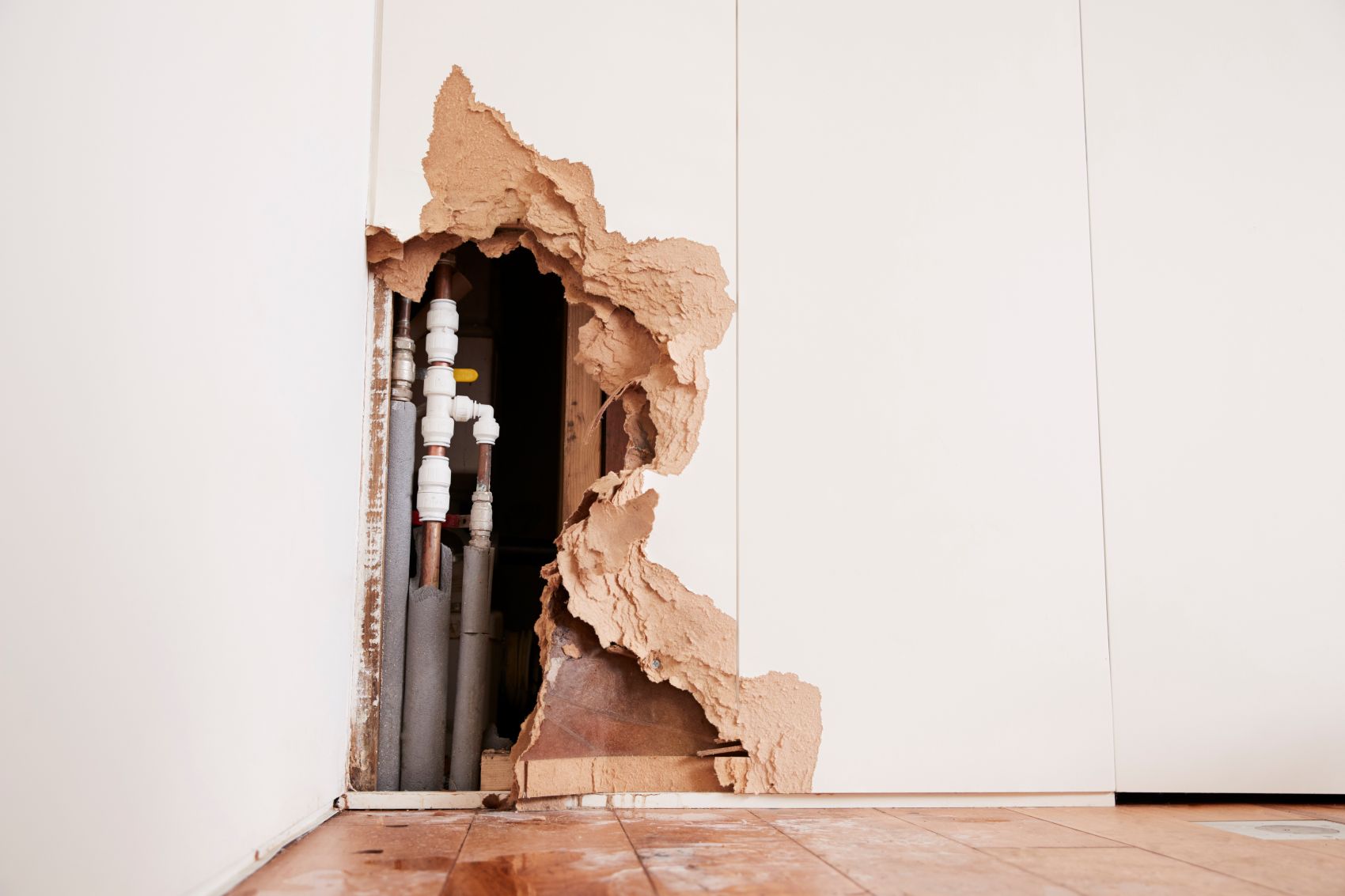
In many cases, openings are smaller than homeowners expect. A gap the size of a coin is often enough.
Addressing rodent activity begins with identifying these access points carefully and methodically.
On a hillside property in Malibu, exterior monitoring devices recorded 37 separate rodent visits within a single service interval.
The surrounding vegetation and open space created consistent environmental pressure.
Through structured monitoring and progressive sealing of identified gaps, activity levels were gradually reduced and stabilized over time.
This type of situation requires patience and ongoing oversight rather than a single visit.
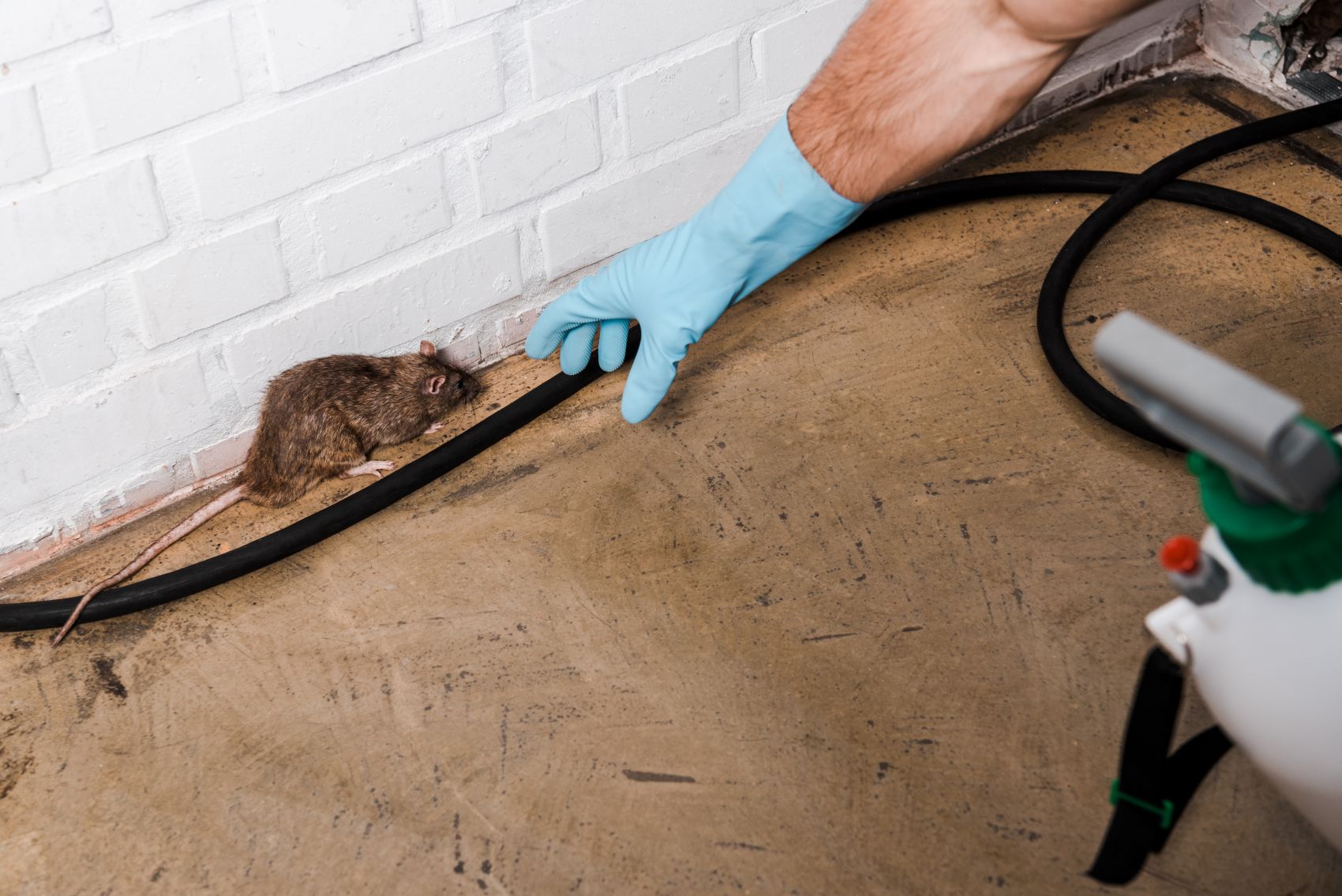
On another property, exterior monitoring devices showed little to no activity. However, interior sounds persisted.
Further inspection revealed nesting within wall voids.
Because exterior pressure was low, the focus shifted to interior identification, removal, sealing, and sanitation.
Each property presents differently. Monitoring allows us to adjust accordingly.
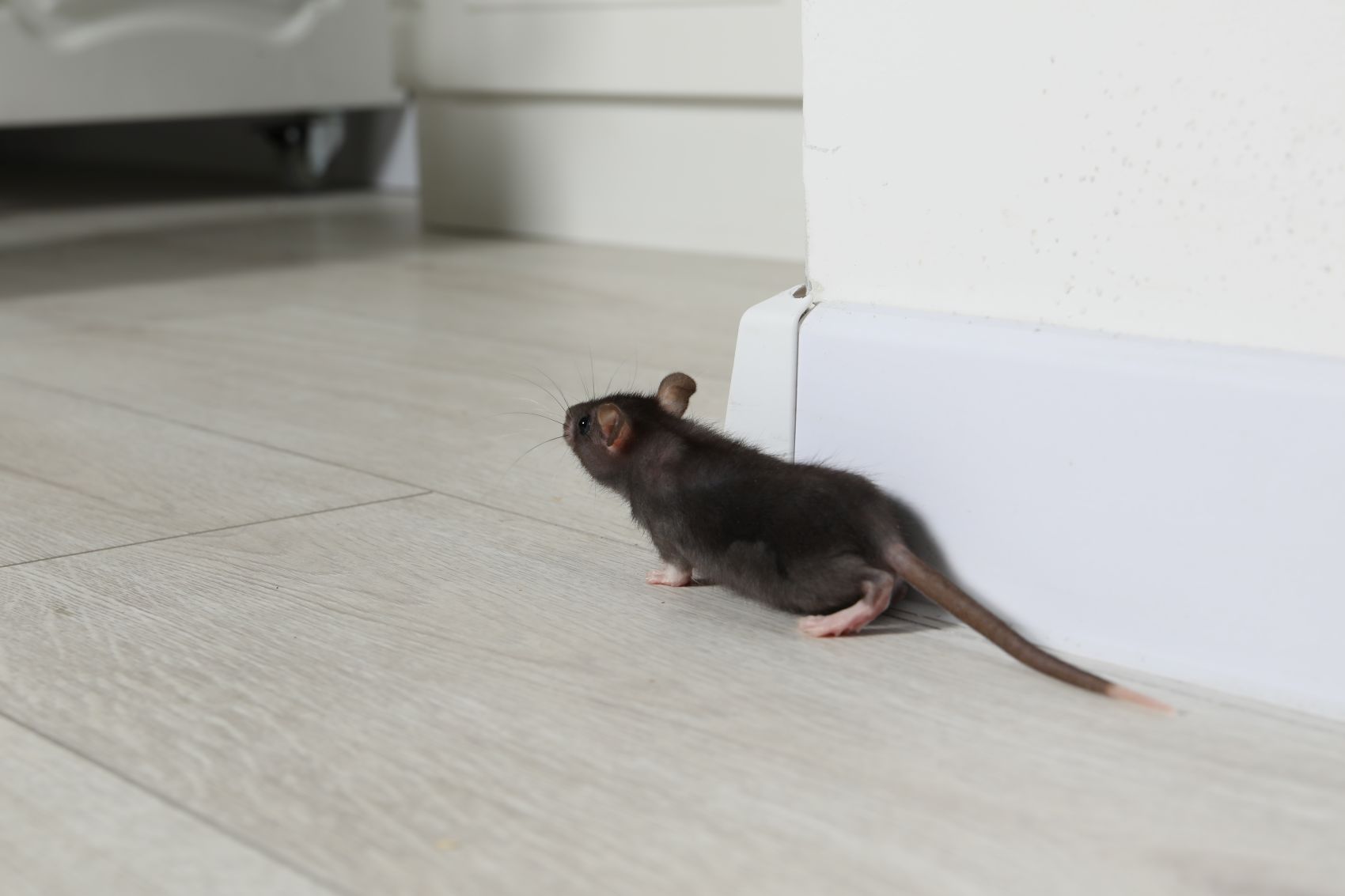
We begin with a full exterior and attic evaluation, looking for:
The goal is to understand the full picture before making recommendations.
Once access points are identified, we implement durable sealing methods designed to prevent re-entry.
Common areas addressed include:
Proper sealing reduces the likelihood of repeat entry.
Monitoring devices are placed strategically around the property to measure activity levels over time.
This allows us to:
Rodents can create more than noise.
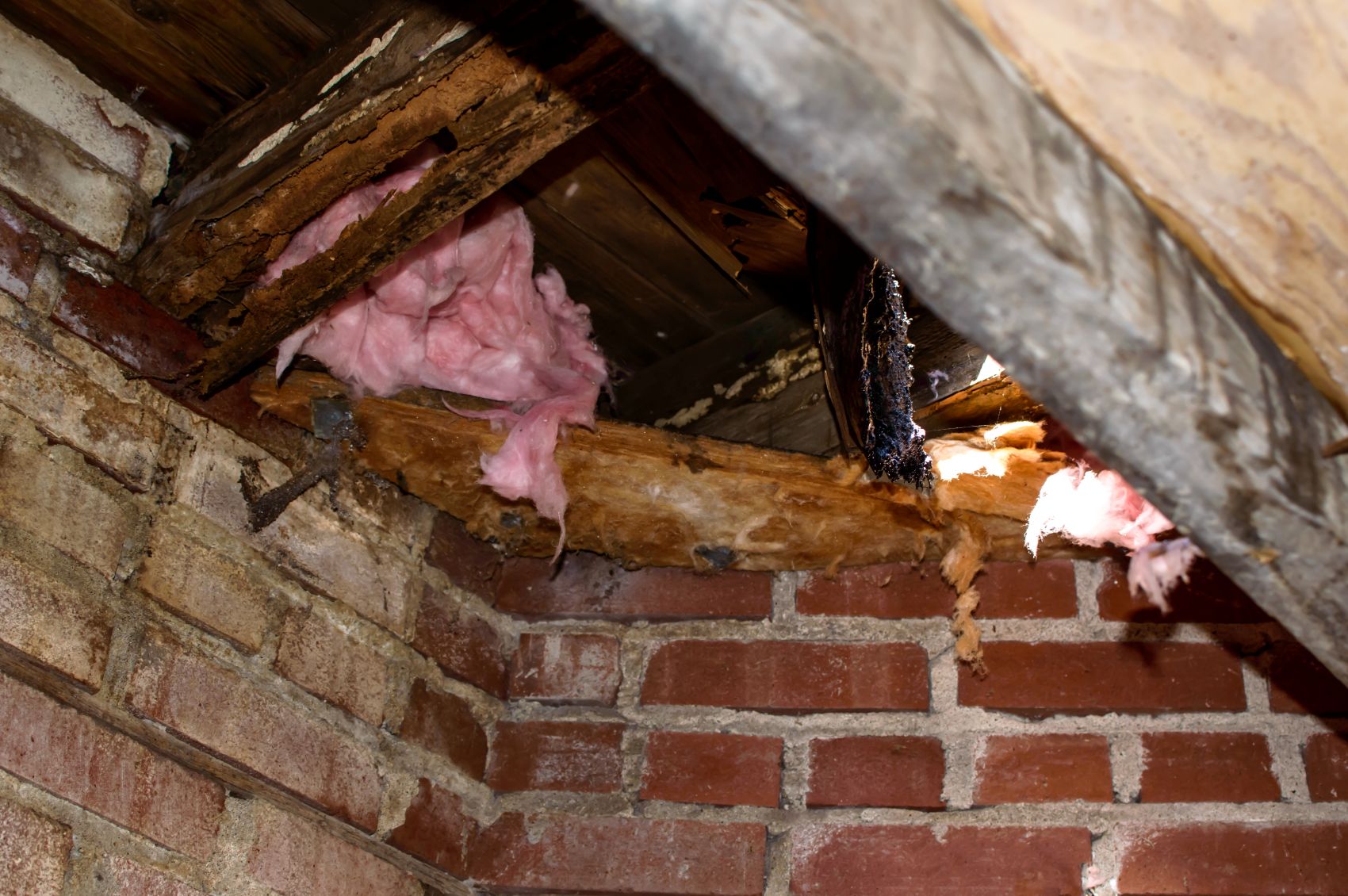
In attic spaces, they may:
Over time, this can affect air quality and structural materials.
When we come across contamination, we simply walk you through what we’re seeing and explain the options for cleaning and restoring the space. Sometimes it’s minor. Other times it requires a more thorough cleanup. Each situation is handled carefully and based on what your property actually needs.

When nesting or contamination is extensive, cleanup may involve:
These steps restore the attic environment and reduce long-term concerns.
Because each property differs, cleanup scope varies based on inspection findings.
Rodent control is not always a single-service solution.
Depending on the level of activity and contamination, work may include:
In hillside communities with sustained environmental pressure, oversight may continue over several service intervals to ensure stability.
Our role is to evaluate carefully and recommend only what is appropriate for your property.
We provide structured rodent inspection, exclusion, and monitoring services in:
We also serve surrounding communities including Westlake Village, Thousand Oaks, and nearby hillside neighborhoods.
If you are unsure whether your property falls within our primary service area, contact us directly.
Rodent activity is not always obvious.
Some homeowners hear attic movement.
Others notice droppings.
Some simply want reassurance before a small issue becomes a larger one.
Even if you’re unsure, a structured inspection provides clarity and peace of mind.
We evaluate your property carefully, explain what we find, and outline a measured plan if needed — without pressure
