Living in Thousand Oaks, we bring with us a blend of local insights and deep-rooted knowledge, aiming to provide unparalleled termite protection to homes and businesses in our new community. We're not just any termite service; we're your neighbors, committed to ensuring the longevity and safety of your structures, prioritizing environmentally friendly solutions that resonate with the spirit of California.
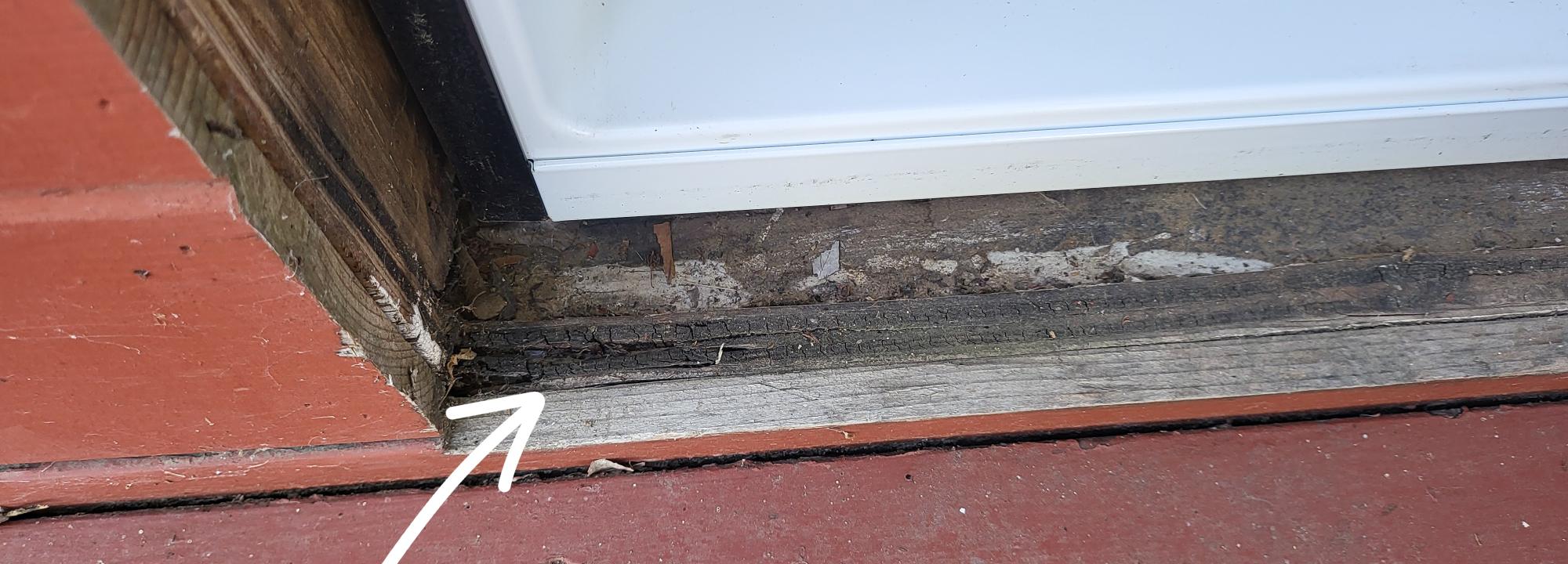
A thorough termite inspection is the foundation of effective termite protection. Our inspections help homeowners in Thousand Oaks, Malibu, and Calabasas identify active termites, hidden damage, and conditions that may allow infestations to develop.
Our inspections carefully evaluate structural wood, crawlspaces, attic spaces, and exterior conditions to provide a complete understanding of the structure.
Our goal is to provide clear findings and practical recommendations so homeowners can protect the long-term integrity of their home.
Schedule a Termite InspectionThe best termite treatment depends on the termite species, the location of activity, the level of infestation, and the construction of the structure. Effective termite control starts with selecting the right treatment strategy for the specific conditions found during inspection.
Homes throughout Thousand Oaks and nearby communities like Calabasas and Malibu can experience different termite pressures depending on location and construction style, which is why each treatment plan is tailored to the structure and infestation.
Each home is different, which is why treatment recommendations are based on the specific conditions found during inspection.
Get a Custom Treatment PlanSubterranean termites typically live underground and enter homes through soil, foundations, and hidden structural gaps. Because they remain concealed while feeding, damage can develop for months or even years before homeowners notice visible warning signs.
Because they remain concealed while feeding on structural wood, damage can develop unnoticed until structural issues begin to appear.
Effective treatment focuses on eliminating the colony and creating protection around the structure.
Check for Subterranean TermitesDrywood termites live directly inside the wood they consume and do not require contact with soil. Colonies can develop within attic framing, fascia boards, trim, siding, and other wooden components of a home.
These termites are commonly discovered in homes throughout Thousand Oaks and surrounding hillside communities, where exposed wood structures provide ideal nesting areas.
Because they live within the wood itself, damage can progress slowly and often goes unnoticed until visible signs appear.
Treatment options may include localized spot treatments, borate wood protection, or structural fumigation depending on the extent of activity.
Identify Drywood Termite ActivityDampwood termites typically infest wood with excessive moisture. They are most often found in wood that is already damp, decaying, or exposed to persistent water intrusion.
For this reason, dampwood termite activity is often associated with moisture problems such as roof leaks, plumbing leaks, or poorly ventilated crawlspaces.
Effective control involves correcting moisture conditions and addressing termite activity found during inspection.
Inspect for Dampwood ConditionsSpot termite treatments can be an effective solution when termite activity is isolated to specific areas of a structure. By targeting active infestations directly, localized treatments may eliminate termite activity while minimizing disruption to the rest of the home.
Spot treatments are often recommended when termite activity is discovered early and limited to specific structural areas.
When appropriate, spot treatments provide an effective solution for localized termite activity.
Request Spot TreatmentStructural fumigation may be recommended when termite activity is widespread, concealed within multiple structural areas, or no longer suitable for localized treatment methods. Fumigation allows treatment to reach hidden termite activity throughout the structure, including inaccessible framing, attic spaces, wall voids, and structural wood members.
Homes throughout Thousand Oaks, Malibu, Calabasas, and surrounding Ventura County communities commonly require fumigation when drywood termite infestations extend beyond isolated treatment areas.
Unlike basic fumigation-only approaches, our process focuses not only on eliminating active termite infestations, but also on helping reduce the risk of future termite activity through long-term protection strategies.
See If Fumigation Is NeededBorate wood treatments help protect structural wood from termites, fungal decay, and other wood-destroying organisms by penetrating deep into the wood fibers. These treatments are commonly used during repairs, renovations, attic treatments, and preventative termite protection programs.
When applied to exposed or accessible wood, borate solutions provide long-lasting protection that remains inside the wood for years rather than sitting only on the surface.
Borate treatments are commonly recommended during structural repairs, fascia replacement, framing repairs, attic applications after fumigation, and preventative wood protection projects throughout Thousand Oaks, Malibu, Calabasas, and surrounding communities.
When properly applied, borate treatments provide durable long-term protection that penetrates into the wood itself and helps reduce the risk of future termite activity.
Explore Borate Protection OptionsTermite damage can affect critical structural and exterior wood components of a home including fascia boards, rafter tails, siding, trim, patio covers, decks, gazebos, and structural framing. Proper termite treatment is only part of the solution—damaged wood must also be professionally repaired and protected to help restore both structural integrity and long-term durability.
Homes throughout Thousand Oaks, Malibu, Calabasas, and surrounding hillside communities often feature exposed exterior wood architecture that requires ongoing protection from moisture, sun exposure, and termite activity.
At Zen-Cal Termite & Wood Repair, repair recommendations are tailored to the condition of the structure, the type of wood materials being used, and the level of long-term protection desired. Material quality, wood selection, premium sealants, borate protection, preparation methods, and paint systems can all significantly affect both durability and overall project investment.
Zen-Cal also performs detailed finish work including sealing, priming, and painting repairs to help provide a more complete and cohesive final result. By combining termite treatment with professional wood repair and long-term protection strategies, homes are restored with both appearance and durability in mind.
Request Wood Repair Services