When it comes to protecting your home, most homeowners think about visible threats like storms, fire, or theft. However, one of the most destructive and costly threats is often hidden behind walls, under flooring, or inside wooden structures—termites. These silent invaders can quietly cause significant damage to the very bones of your property, often without showing obvious signs until the damage becomes severe and expensive to repair.
Termites are responsible for billions of dollars in property damage each year in the United States, with California, including areas like Ventura and Simi Valley, being particularly vulnerable due to the state's warm climate and high humidity levels. The problem with termites isn't just the destruction they cause—it's how silently and efficiently they do it. By the time a homeowner notices visible signs of termites, they may already be facing thousands of dollars in repairs and compromised structural safety.
Early detection is key to protecting your investment, but many homeowners underestimate the importance of regular inspections and preventative services. In this blog, we will explore the hidden dangers of termite damage, the financial impact of neglect, and how early detection by professionals like Zen-Cal Termite can save you from unnecessary headaches and costly repairs.
To appreciate the urgency of early termite detection, it’s essential to understand the biology and behavior of termites. Termites are social insects that live in colonies, often numbering in the thousands or even millions. These colonies operate with a highly organized structure that includes workers, soldiers, and reproductive termites, each playing a critical role in the colony's survival.
Workers, which make up the majority of the colony, are responsible for foraging for food, feeding the rest of the colony, and maintaining the nest. Their primary diet consists of cellulose—the organic compound found in wood, paper, and other plant materials. This makes homes in California, with their wooden framing and structural components, an all-you-can-eat buffet for termites.
There are several types of termites that homeowners in Ventura and Simi Valley may encounter, with the most common being subterranean termites and drywood termites. Subterranean termites live in underground colonies and build mud tubes to access above-ground food sources. They require contact with soil and moisture, making them particularly attracted to areas with plumbing leaks, poor drainage, or landscaping issues.
Drywood termites, on the other hand, do not require contact with soil and live directly inside the wood they consume. This makes them more elusive, as they can inhabit furniture, attic beams, and wall studs without leaving obvious external signs like mud tubes.
One of the most concerning aspects of termite behavior is their persistence and efficiency. Termites can work around the clock, chewing through wood, insulation, and even drywall undetected for months or years. Their small size and discreet habits make them experts at avoiding detection until significant structural damage has occurred.
Understanding these behaviors highlights why routine inspections by trained professionals are essential. Termite infestations are not a problem that homeowners can rely on chance to catch early. Instead, proactive prevention and detection strategies are necessary to stop these silent destroyers before they can do irreparable damage.
Termite damage can manifest in various ways depending on the type of termite, the extent of the infestation, and the age of the property. Understanding the different types of termite damage is crucial for homeowners to recognize early warning signs and act quickly. One of the most common forms of termite damage is structural weakening. Over time, termites consume wooden beams, studs, floor joists, and other support structures, compromising the building's integrity.
Another common sign of termite damage is hollow-sounding wood. Termites eat wood from the inside out, leaving only a thin veneer or paint on the surface. When tapping on an infested area, homeowners might notice a hollow or papery sound. In severe cases, this can also result in visible blistering or bubbling of the paint or wallpaper.
Drywood termites specifically create "kick-out holes" where they discard fecal pellets, or frass. This accumulation may resemble sawdust or coffee grounds and is often the only visible sign. Subterranean termites, by contrast, create mud tubes along walls, foundations, or crawlspaces, providing a hidden highway between the soil and wood.
Additionally, termite damage can affect furniture, books, and insulation. This type of damage not only incurs repair costs but may also result in the loss of sentimental or valuable items.
Despite the destructive capabilities of termites, many infestations go unnoticed for long periods due to the insects' discreet behaviors. One overlooked sign is discarded wings near windowsills, doors, or light fixtures. These wings come from swarmers after mating and forming new colonies.
Tight-fitting doors and windows can also be a clue. As termites consume surrounding wood, moisture buildup can warp the frames, making them difficult to operate. Homeowners often mistake this for humidity or aging fixtures.
Noises inside walls—clicking or rustling sounds—may indicate a large colony. These faint sounds are typically dismissed as settling or the activity of other pests.
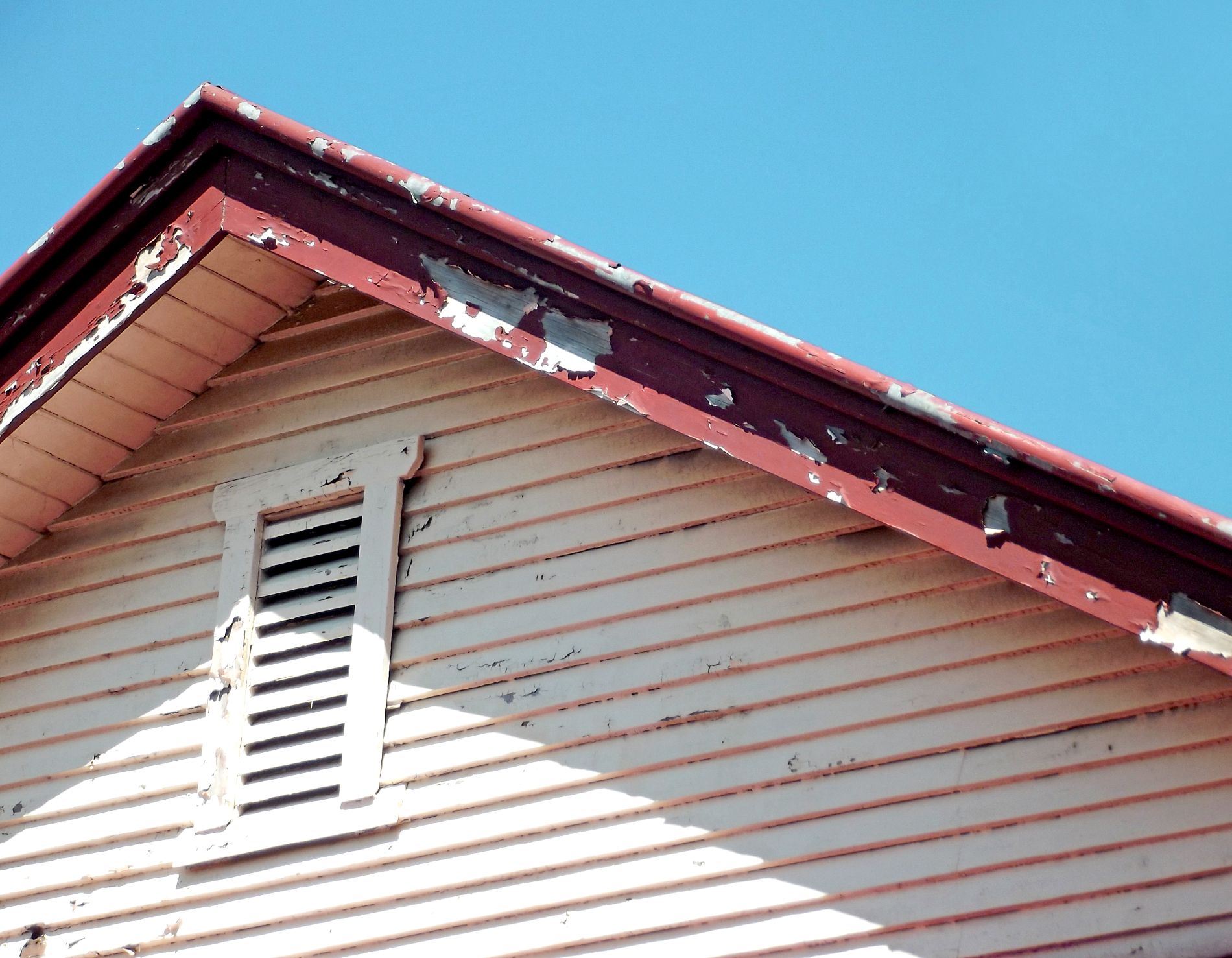
Paint that blisters or peels may point to moisture introduced by termites behind the surface. This is often confused with water damage.
Ignoring termite damage can lead to devastating financial outcomes. Nationwide, termites are responsible for over $5 billion in damages annually, most of which are not covered by standard homeowner insurance.
Repair costs vary widely, from a few hundred dollars for localized damage to $25,000 or more for major structural restoration. A termite infestation can also decrease a home’s value and make it harder to sell or refinance.
Personal items—furniture, books, documents—may be permanently lost. And homeowners may also face unexpected costs related to emergency treatments, fumigation, or relocation.
Proactive inspection and treatment plans like those from Zen-Cal Termite are a small investment compared to the hidden and long-term costs of untreated infestations.
In Simi Valley, a homeowner noticed minor cracks and squeaky floors. They delayed action for months, assuming age-related wear. Zen-Cal Termite’s inspection revealed severe subterranean termite damage. Repairs exceeded $25,000.
In Ventura, a family mistook piles of frass for sawdust. Our team found an advanced drywood termite infestation in the attic and wall studs. The treatment required fumigation and temporary relocation.
Both cases highlight the high cost of inaction and how early detection could have saved thousands.
Early detection is the best defense against termite damage. Zen-Cal Termite provides comprehensive inspections of both interior and exterior areas using advanced tools to detect hidden activity.
Inspections also help identify risk factors like moisture issues or soil-to-wood contact. We offer preventative treatments tailored to your property’s needs, creating a barrier to termite entry.
Regular inspections—much like HVAC or roofing maintenance—should be part of every homeowner’s upkeep. They protect your home’s value, structure, and safety with minimal investment.
Termites are a hidden threat that can cause catastrophic home damage if left unchecked. Understanding their behavior, recognizing subtle warning signs, and taking proactive measures are key.
As seen in real-life cases, the cost of ignoring termite activity is far greater than prevention. Zen-Cal Termite is committed to helping homeowners in Ventura, Simi Valley, and nearby areas with inspections, preventative treatments, and expert repairs.
Don’t wait until the damage is visible—by then, it’s already too late. Contact Zen-Cal Termite today to schedule your inspection and protect your home from these silent destroyers.